

As we mark Human Rights Day on December 10, we reaffirm that respect for people is the foundation of how we work across our global value chain.
Responsible sourcing is one of the most effective ways we can promote and protect human rights beyond our own operations. From fair labor conditions to safe workplaces, our ambition is to drive long-term, positive change with our suppliers and partners while never compromising on safety or human dignity.
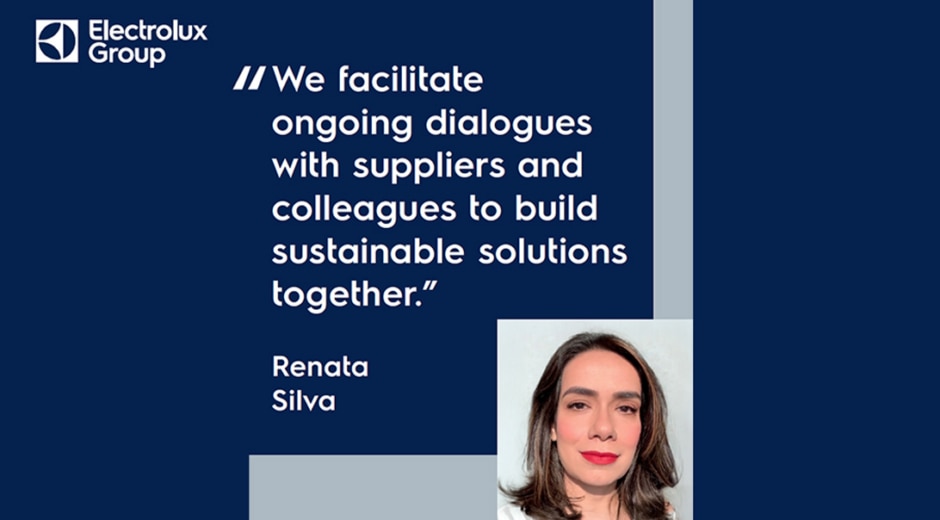
To explore how these principles come to life in practice, we spoke with Renata Silva, Social Sustainability Manager, about how Electrolux Group embeds human rights into everyday decisions across our operations and supply chain.
“My role is about ensuring dignity and equality are non-negotiable,” says Silva.
How does your role as Social Sustainability Manager relate to human rights?
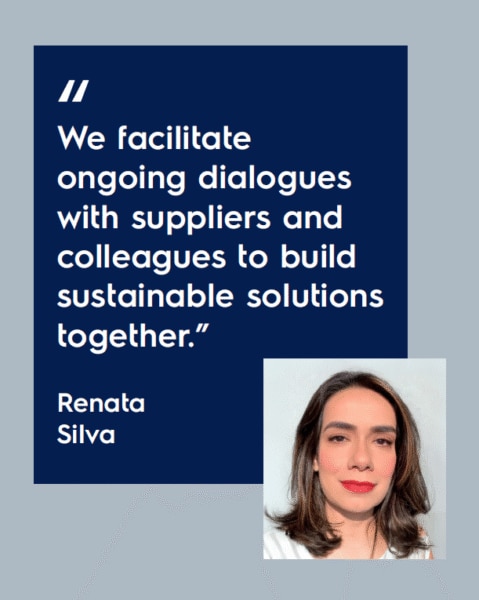
My work focuses on ensuring that social sustainability principles are embedded across both our own operations and our supply chains. This means assessing Electrolux Group factories and suppliers to verify fair labor practices, safe working conditions, and respect for human rights at every step.
But it goes beyond compliance. Ultimately, we aim to foster a culture where dignity and equality are non-negotiable.
How do human rights principles guide your day-to-day decisions?
They’re really the foundation of everything I do. Whether I’m reviewing supplier performance or conducting assessments in our own factories, these principles guide every decision.
We examine issues such as fair wages, freedom of association and workplace safety, and we make decisions that strengthen, not compromise, those rights. It’s always about building trust and long-term partnerships based on respect for people.
Can you share an example of an initiative that promotes human rights?
I’m proud of several initiatives that demonstrate our commitment.
One example is the Human Rights Impact Assessment we conducted in Brazil. It helped us understand both the positive and potential negative impacts of our activities on people and communities, allowing us to identify where we can improve and where we can amplify positive outcomes.
On the supplier side, Electrolux Brazil implemented the Sustainable Supply Chain Finance Program, in partnership with Itaú BBA, to link financial benefits to strong sustainability performance, including both Responsible Sourcing and CDP (Carbon Disclosure Project).
This builds on our Responsible Sourcing Program, in place since 2007, which has delivered tangible results in strengthening labor practices and working conditions. Together, these initiatives help create meaningful, long-term change.
What does our purpose “Shape living for the better” mean to you in the context of human rights?
For me, it means ensuring that progress never comes at the expense of people’s wellbeing. Every product we make should be created under fair, respectful and safe conditions — whether in our own plants or across our supply chain.
When we achieve that, we’re shaping better lives for workers, for communities and for future generations.
Driving positive change across our value chain
Human Rights Day is a reminder that every decision we make matters. Through responsible sourcing, we have the opportunity to shape not only better products, but a future rooted in fairness, dignity and respect.