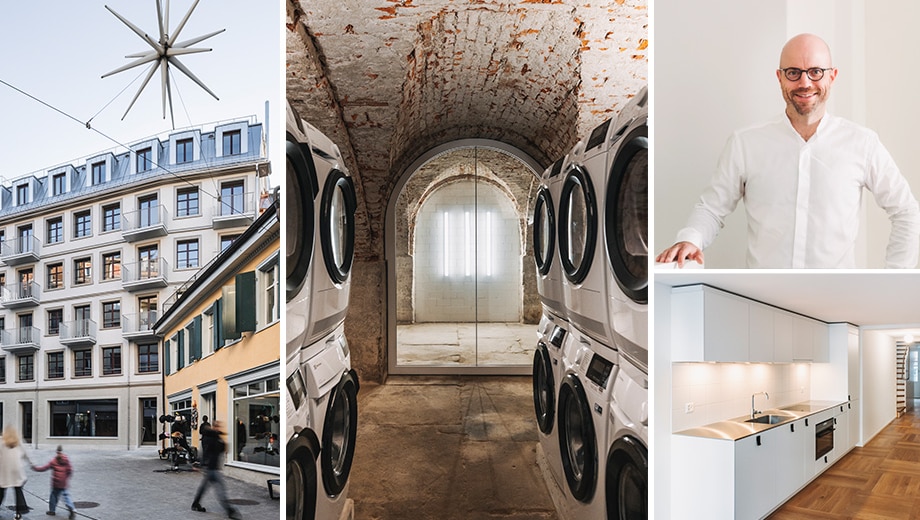
In the heart of St. Gallen’s medieval old town, a building with six centuries of history behind it has been transformed into contemporary urban homes. The renovation of Zum Schönfels is a study in how thoughtful architecture can honour the past, while meeting the demands of modern living – and in how the right specification choices can quietly elevate the everyday.
A building reborn
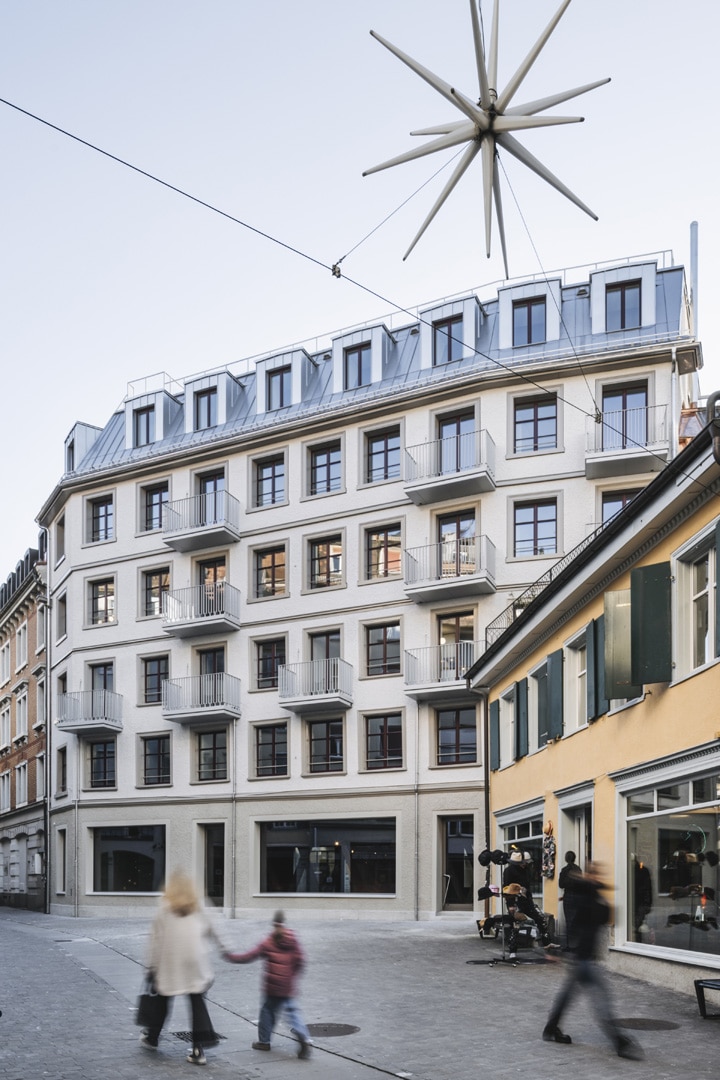
The property at Löwengasse 3 has been part of St. Gallen’s urban fabric since at least the 15th century – its outline traceable on Matthäus Merian’s city map of 1642. For much of that time it was a place of work: fabrics were dyed and processed here, in large rooms accessed via a wide central corridor. Later came shops, then a gallery. Each era left its mark on the building’s form, producing the characteristic irregular roofline still visible from the street.
When the property was acquired for residential conversion, Egloff Wörwag Architects AG were appointed to lead the project. Their approach was to read this layered history not as a constraint, but as a guide: preserving and revealing the building’s original fabric while adding a new mansard storey in timber construction, and creating 17 apartments across 2,331 m² of floor space.
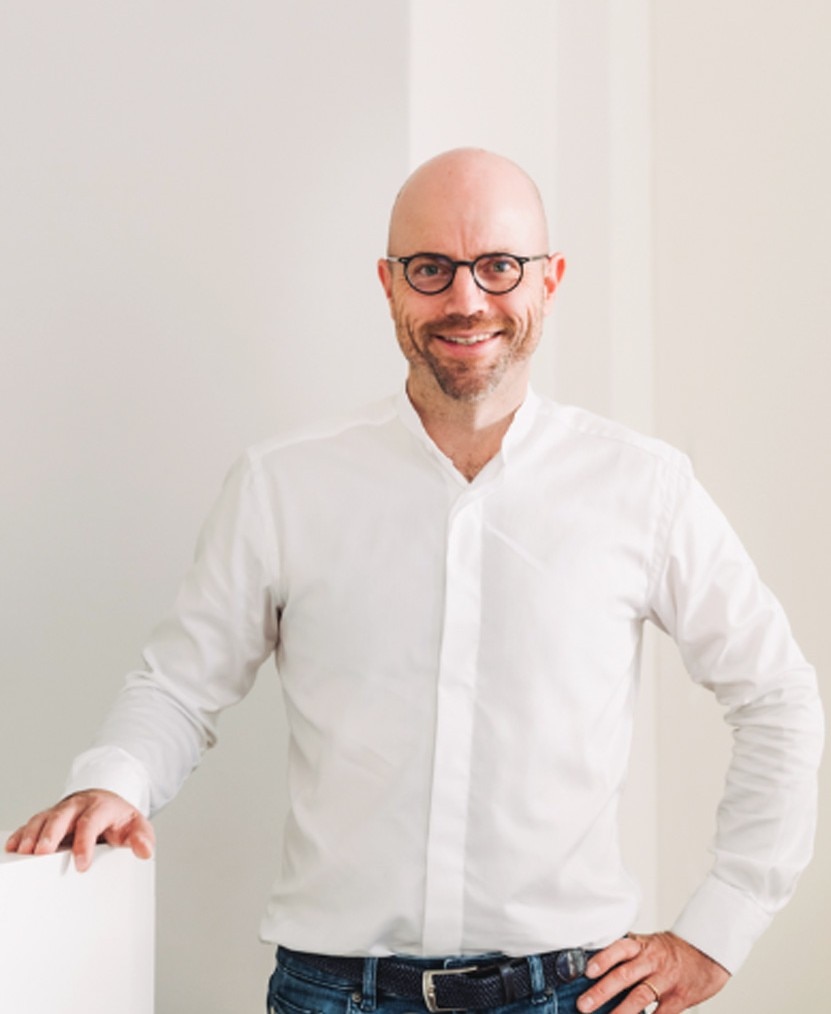
“Our architectural approach balances heritage preservation with economic responsibility,” explains architect Reto Egloff, “Even within the constraints of a protected building, the project must ensure a return on investment – but that challenge also opens up creative possibilities.”
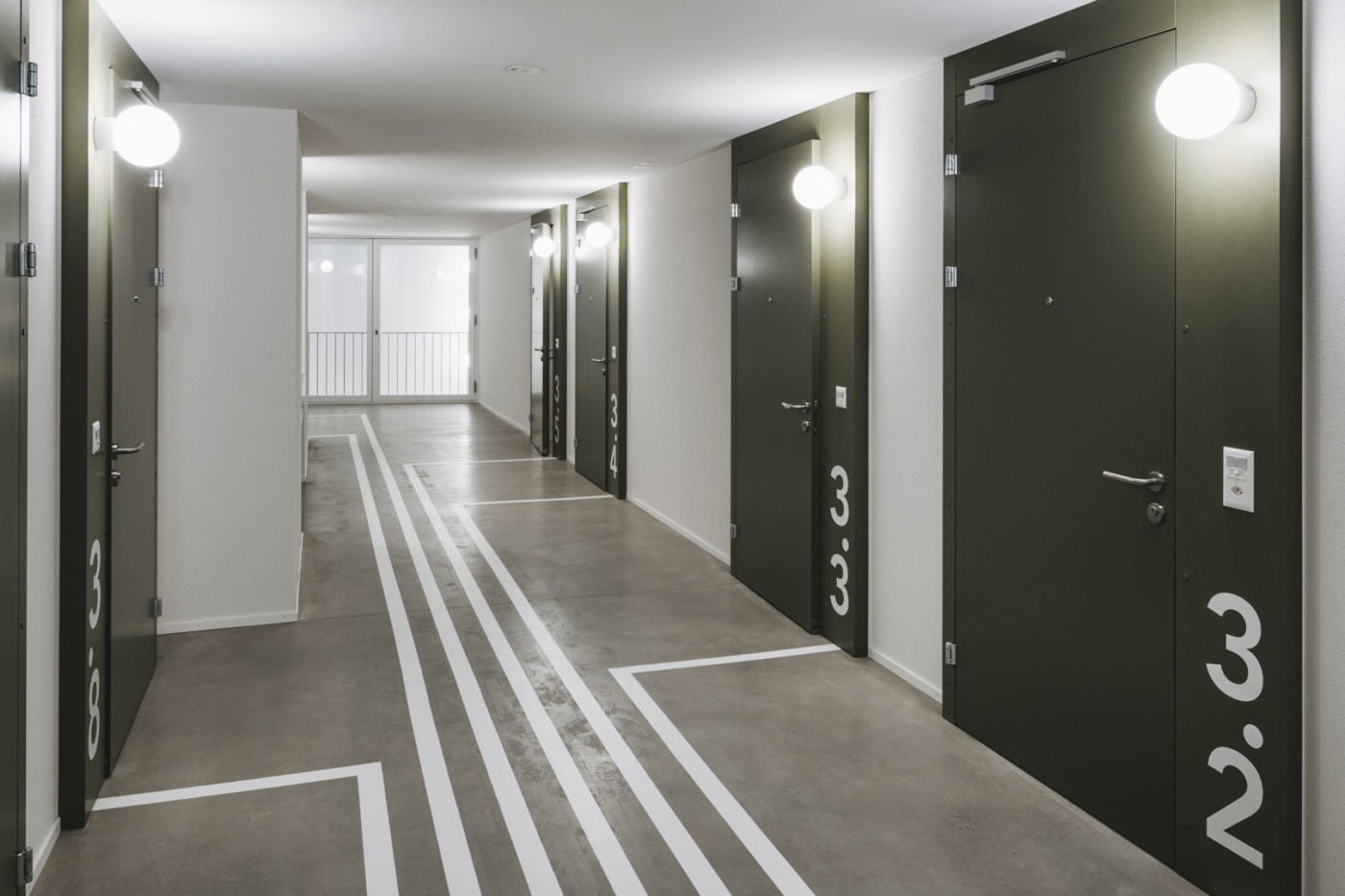
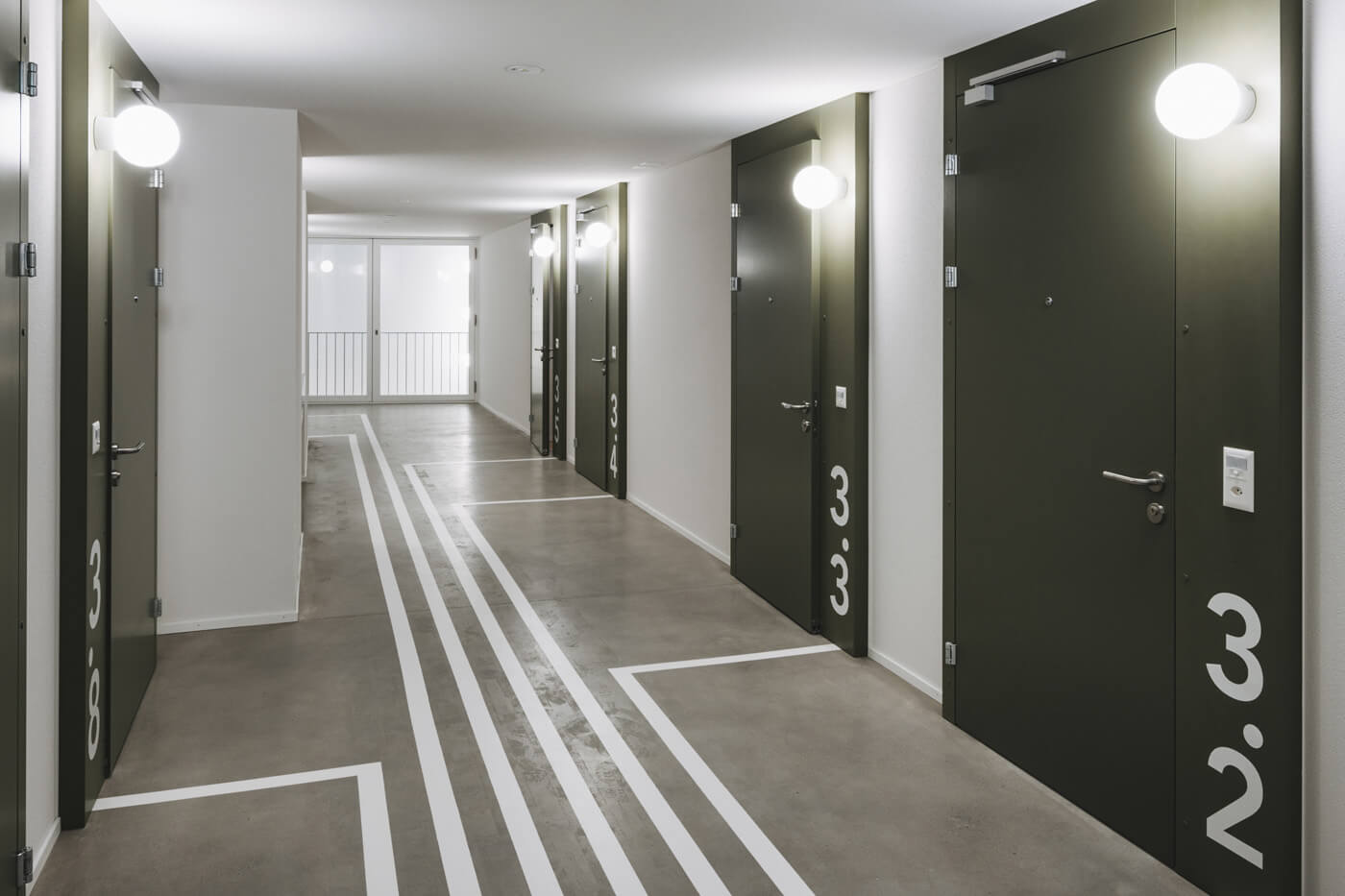
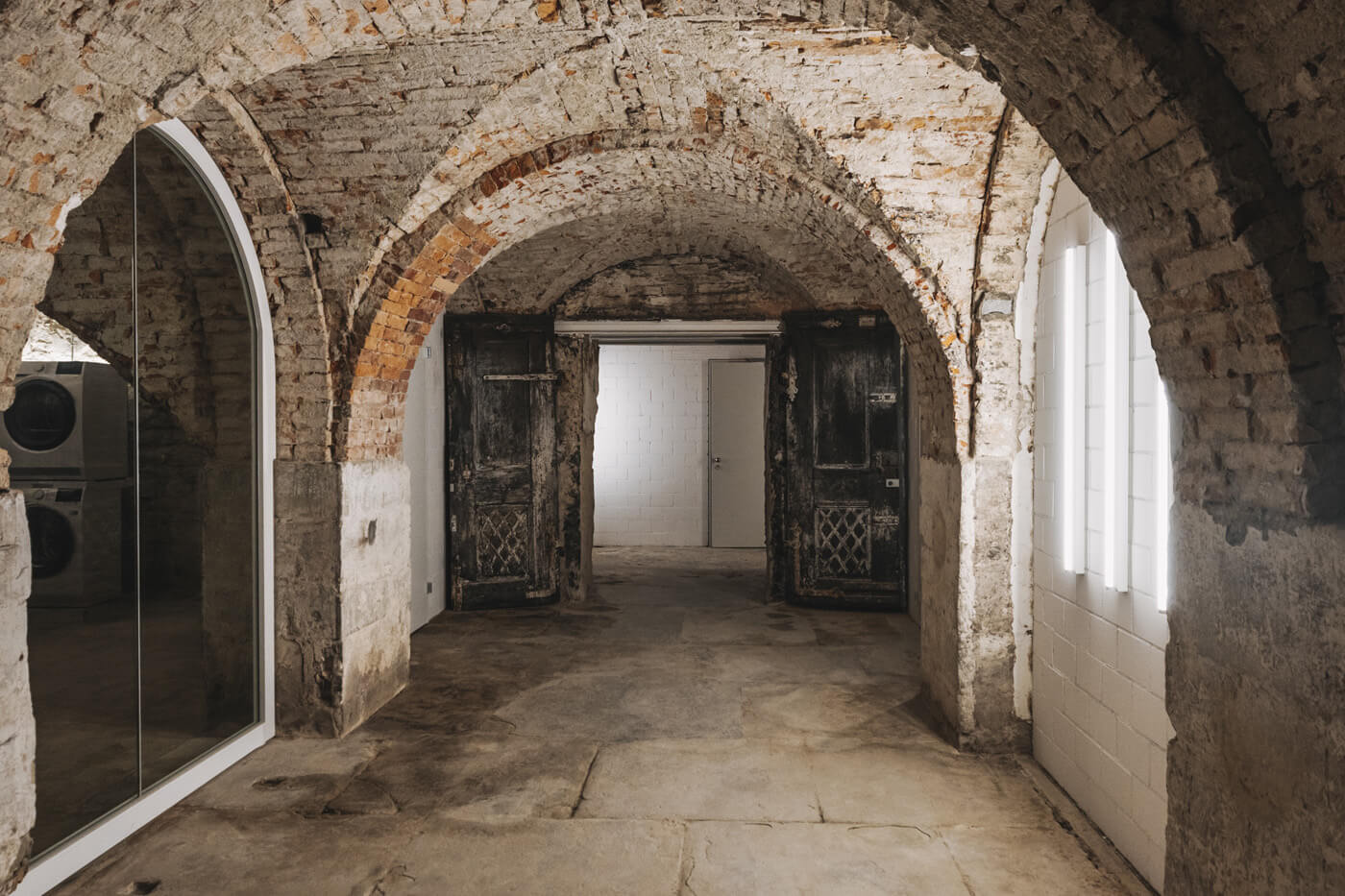
The wide central corridors were retained and reimagined. On every second floor they now function as a kind of rue intérieure – a concept drawn from Le Corbusier’s Unité d’Habitation – with daylight entering at each end and the spaces designed to encourage incidental social exchange.
“In its original form as a clothing factory, the building had a large central corridor and chimney bringing in natural light, Egloff continues, “This corridor has been preserved and reactivated as a community space. The project embraces small living concepts, and the public and shared spaces are designed to support urban life and community interaction.”
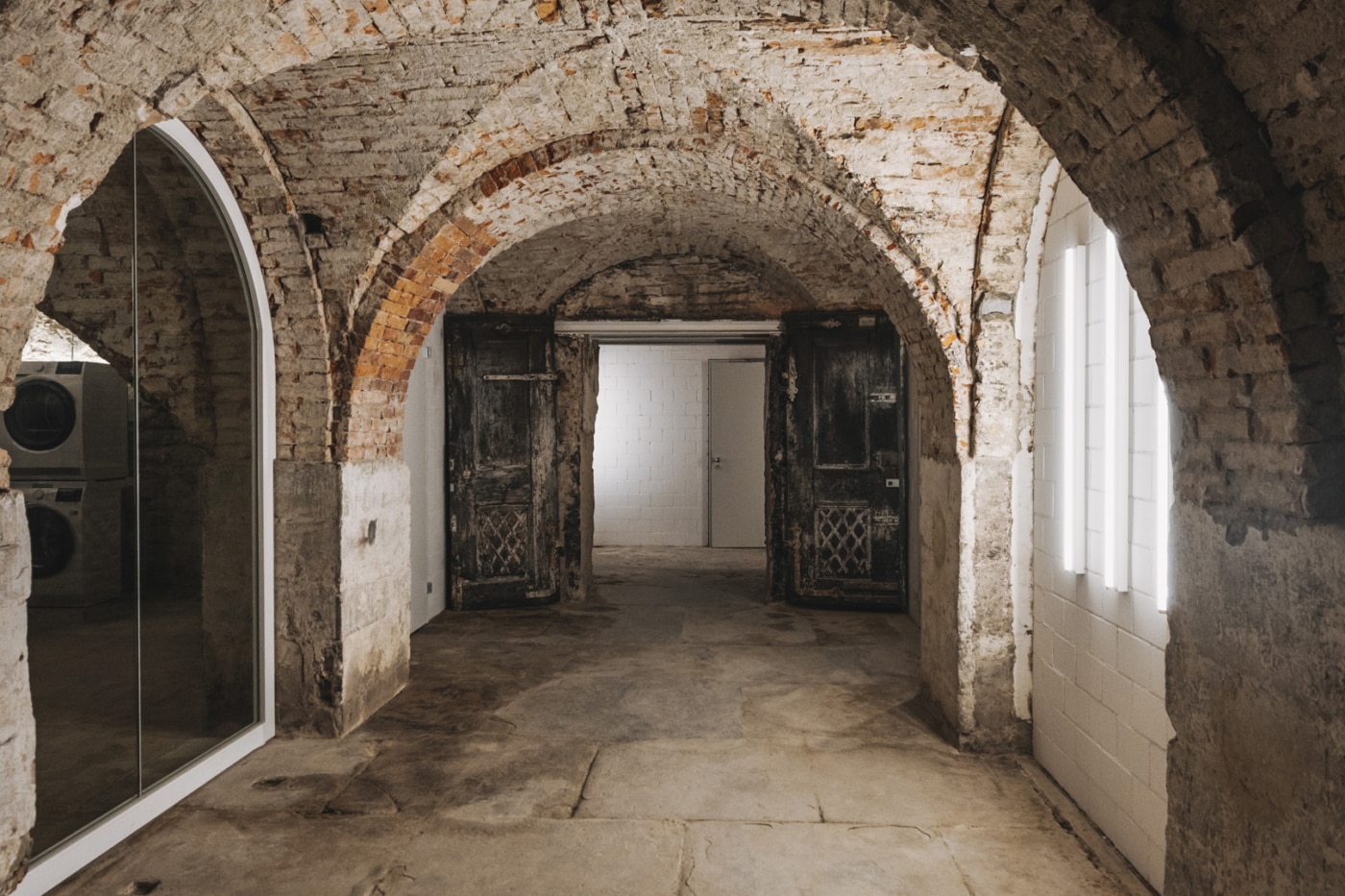
On the ground floor, former load-bearing walls were replaced with V-shaped supports, opening up a through-passage accessible from both Brühlgasse and Löwengasse, while the basement, ground-floor office and stairwell were also stripped back to reveal the original structure.
Apartments for urban living
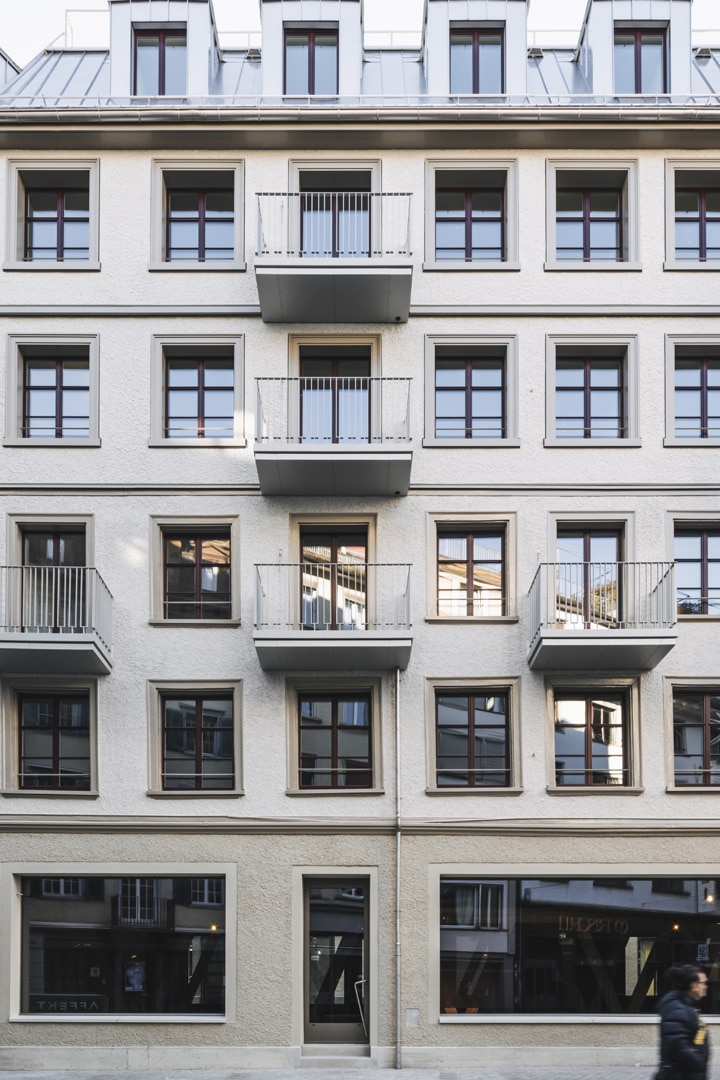
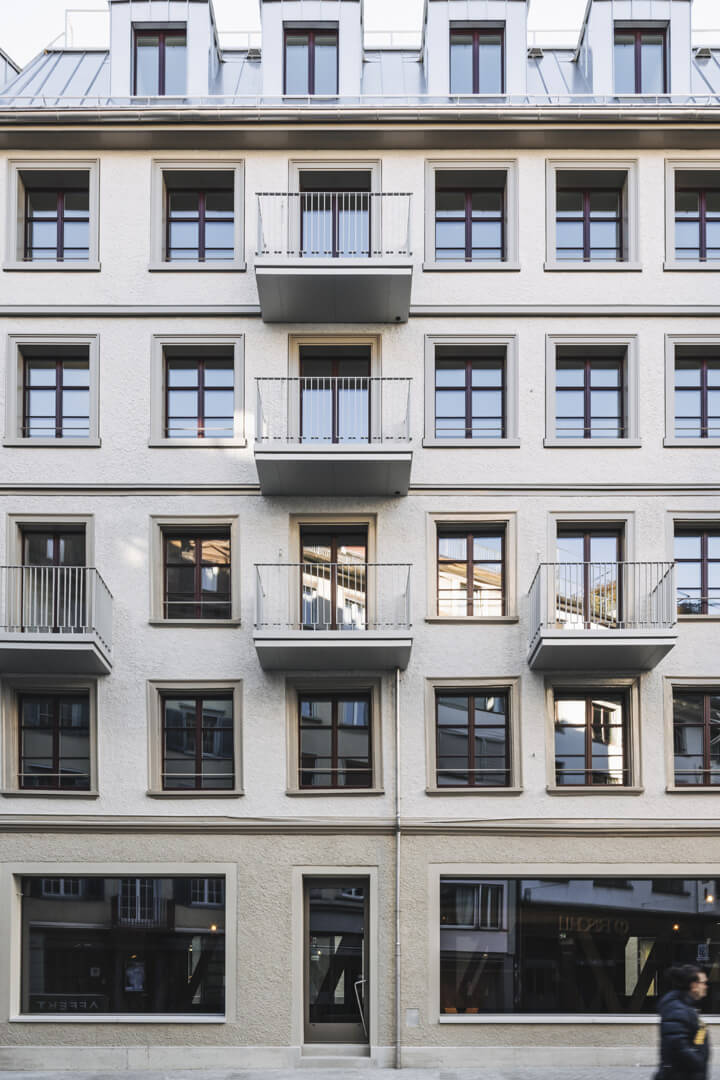
The 17 apartments – a mix of 1.5- to 4.5-room units – are designed for residents who value quality, character and the pleasures of old-town life. Half are maisonettes spanning two levels; the top five have access to private rooftop terraces; and ten have balconies facing the livelier Brühlgasse, where a new small square is being created.
The balconies are a deliberate contemporary addition: a lighter intervention in the historic structure, and one that creates an engaging dialogue with the ornate facade behind them.
Accessibility was also a priority throughout – a demanding requirement in a heritage-protected building, and one the project met in full. Egloff notes with particular satisfaction that the first rental contract was signed by a wheelchair user.
A laundry salon in the vaulted cellar
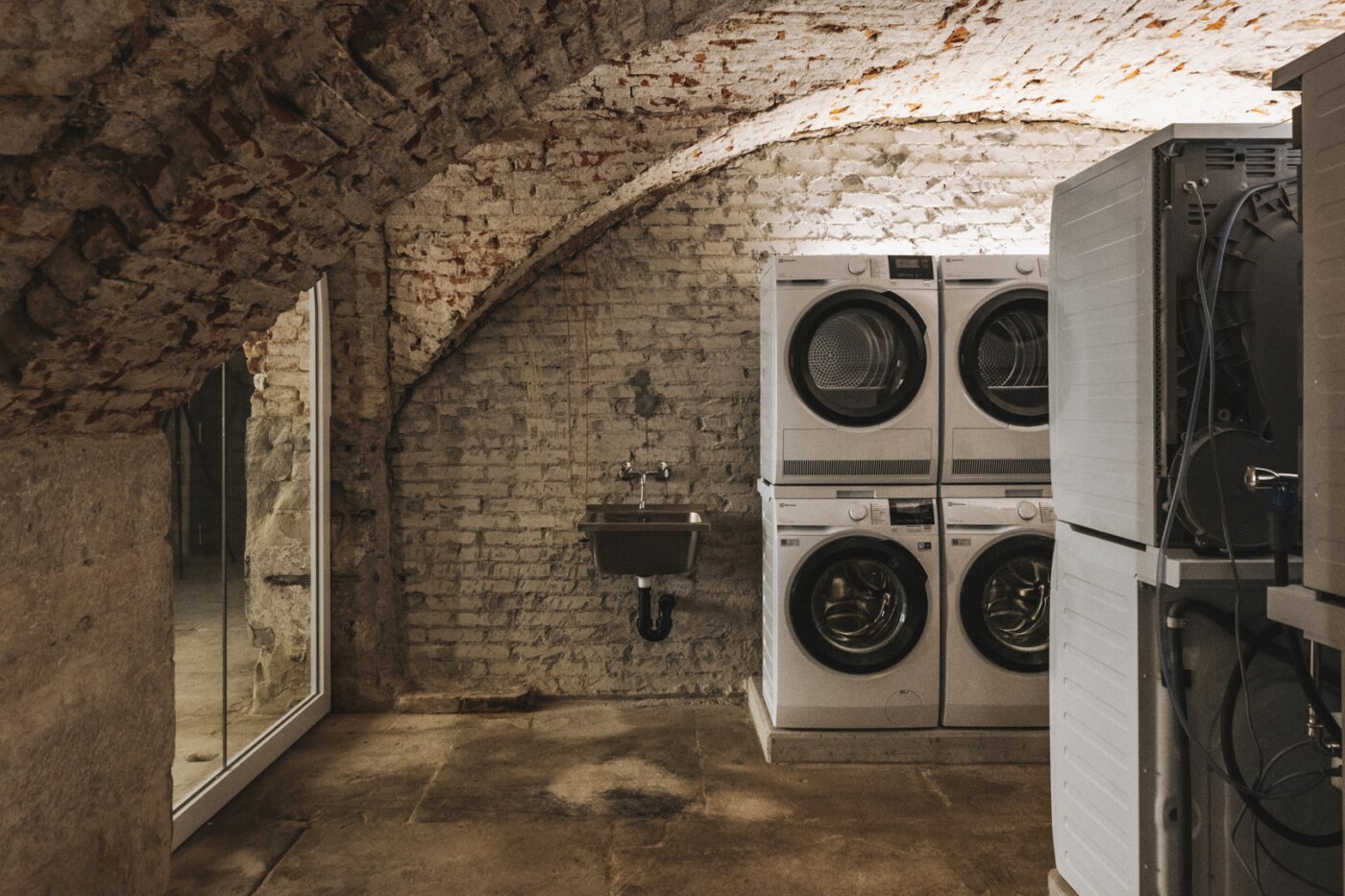
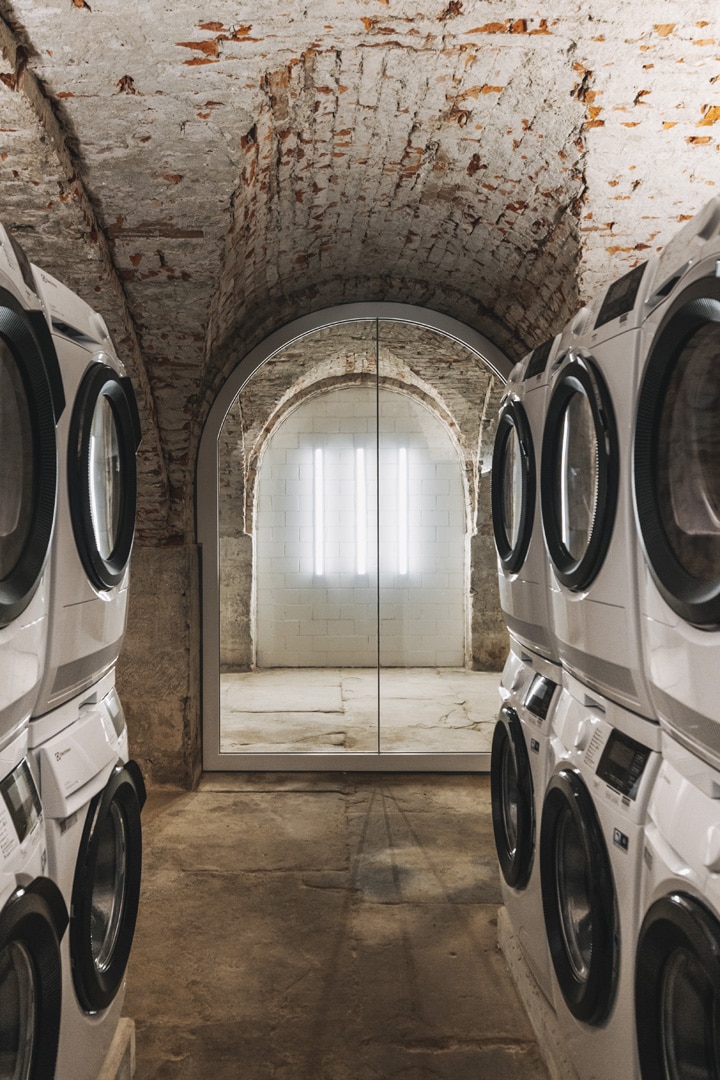
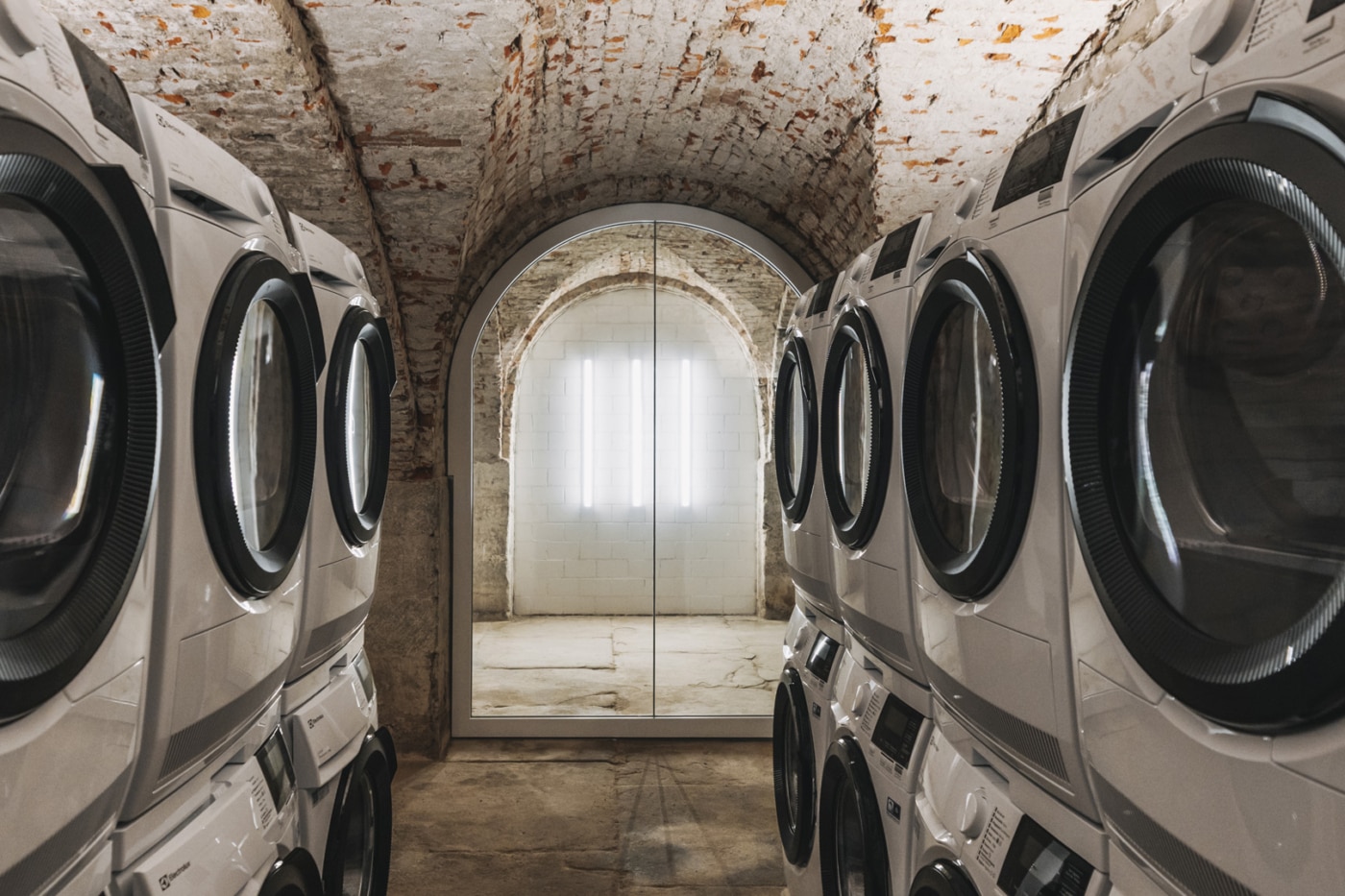
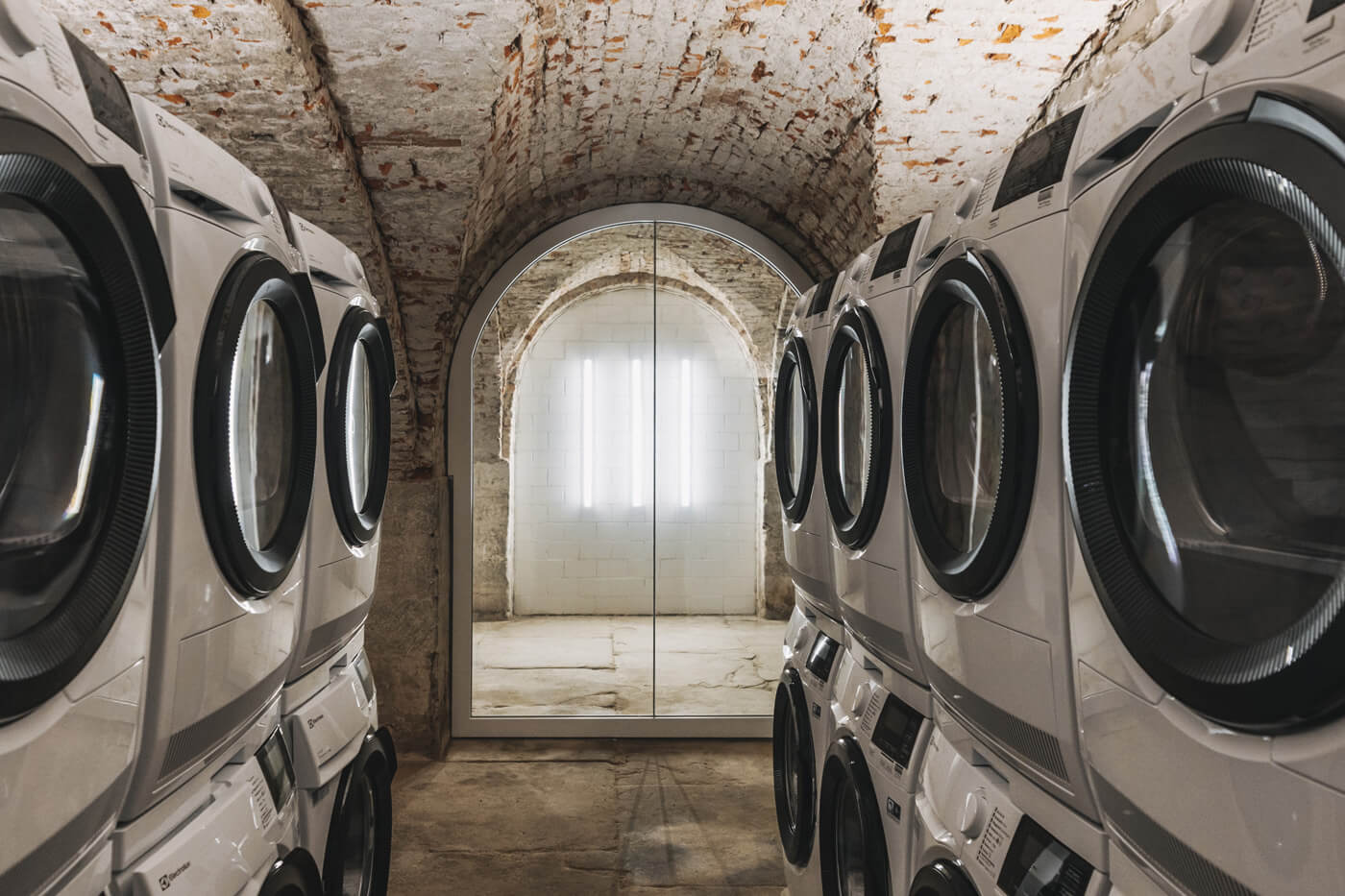
One of the project’s most distinctive features lies below ground. Washing machines in historic buildings typically cause disruptive vibration — and a conventional laundry room would have been unsuitable for this protected structure. Instead, Egloff Wörwag Architects AG, the investor and Electrolux created what the architect describes as a laundry salon: a communal space within the brick-lined vaulted cellar – and behind a glass fire-protection wall – where 17 washing towers stand side by side.
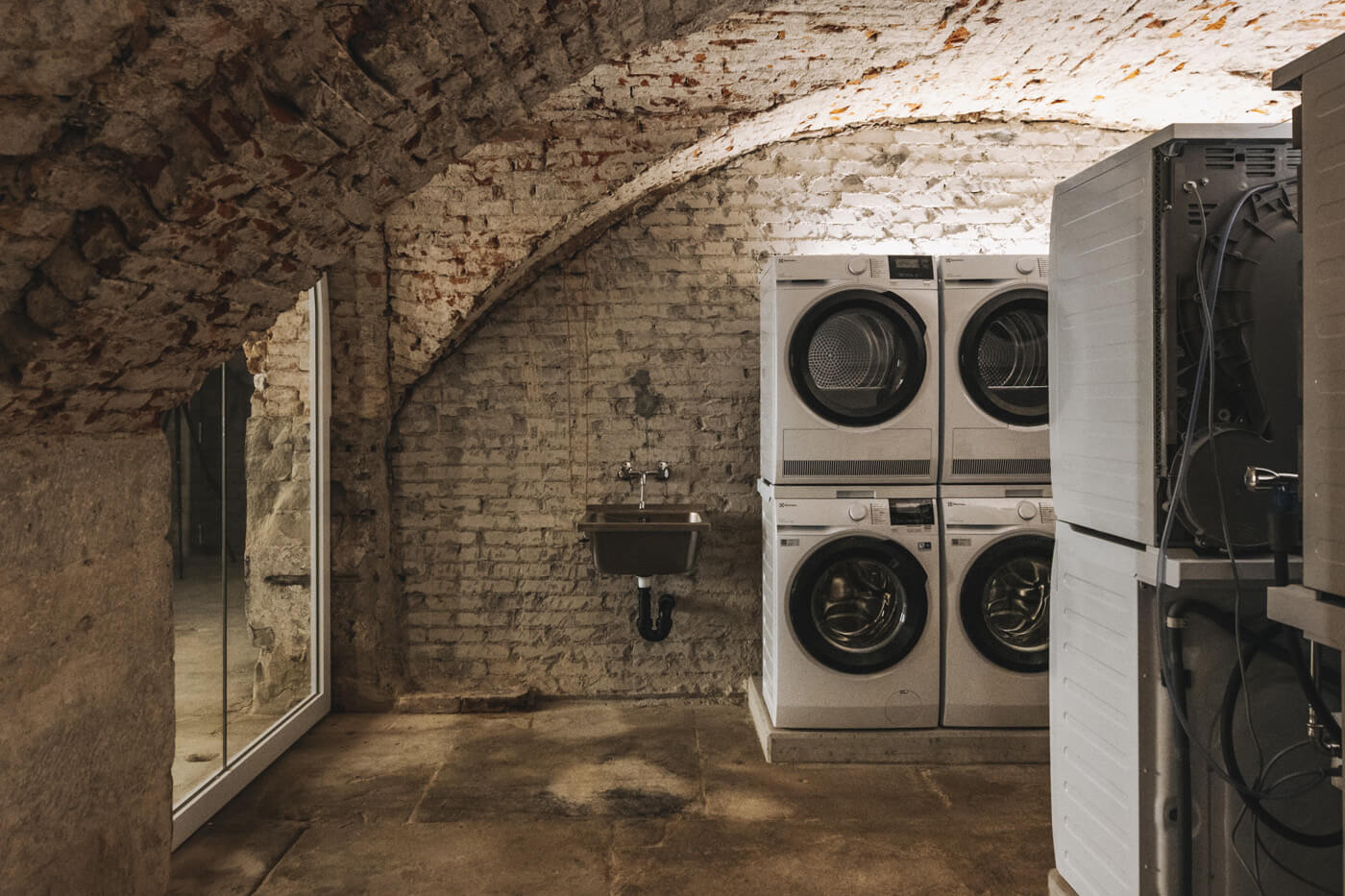
Egloff says: “Unlike most shared laundry spaces, each tenant has their own dedicated washing machine and dryer, meaning no need to compete for a scheduled slot with neighbours, but rather taking your own laundry downstairs and taking care of it in a shared space.”
There is a quiet resonance to the arrangement: in a building where fabrics were once dyed and washed at scale, laundering has returned to the cellar – this time served by an Electrolux 6000 Series washing machine and Luxe SensiDry® heat pump tumble dryer per household.
The washing machines use ProSense technology to adjust each cycle to the load, saving energy, water and time; the dryers employ advanced sensors to fine-tune drying duration, ensuring garments are never exposed to unnecessary heat.
Specifying for performance and place
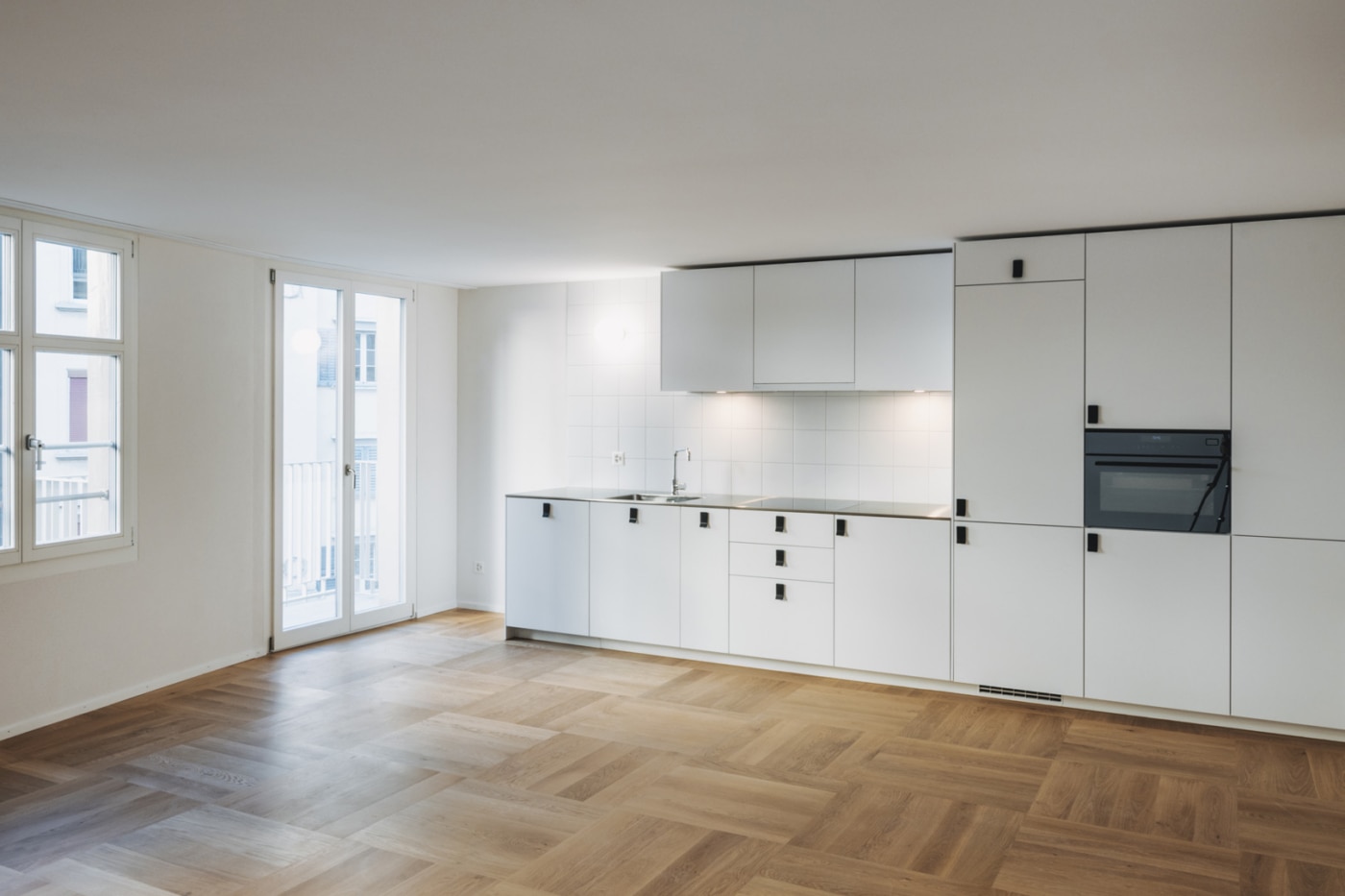
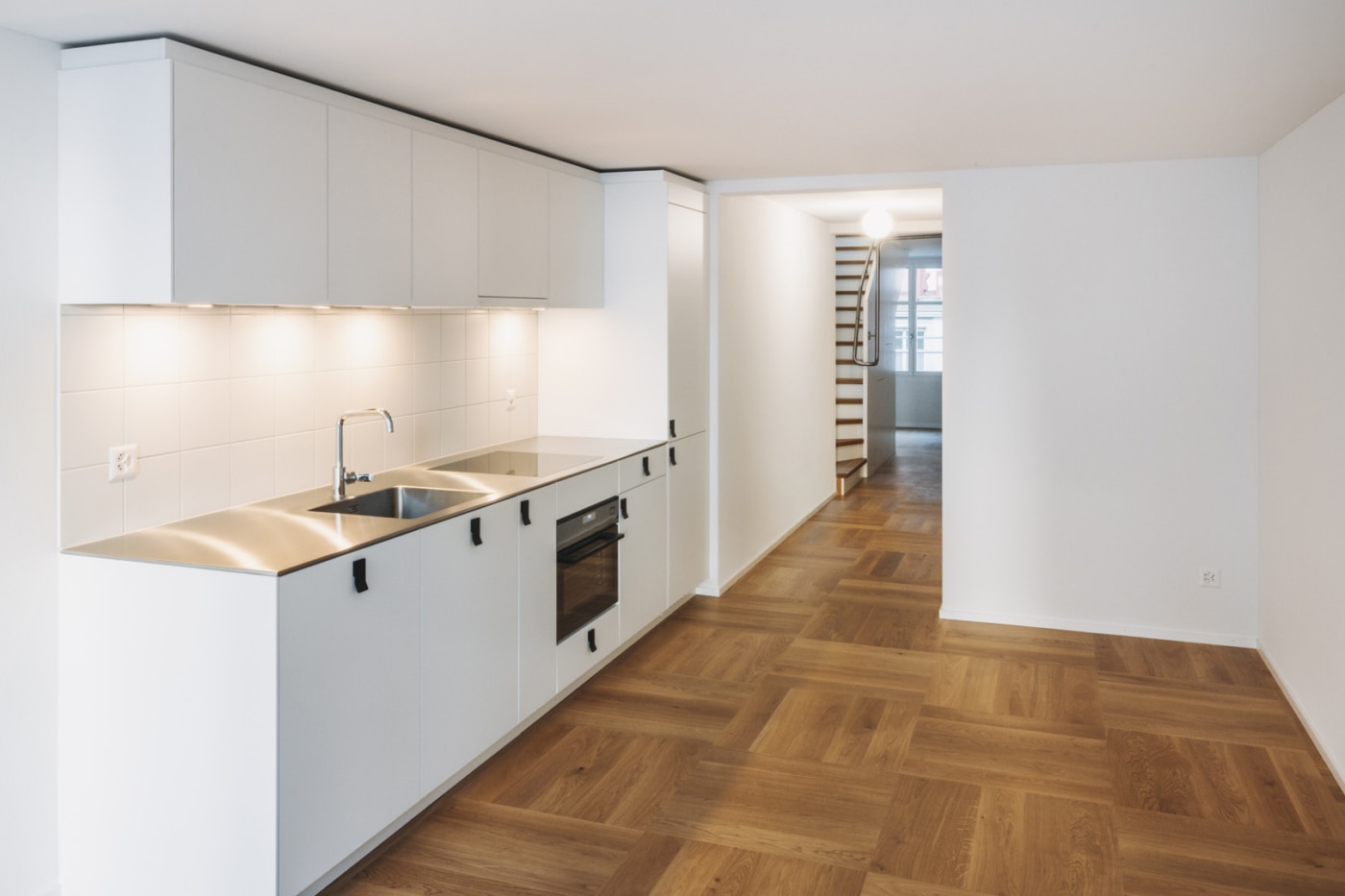
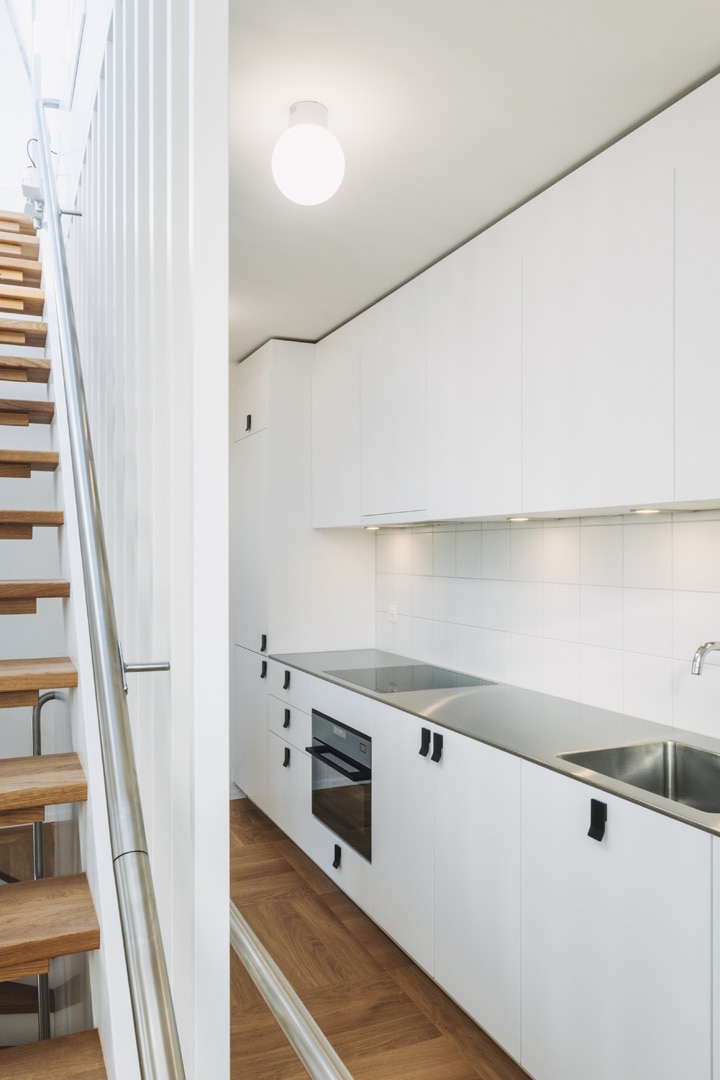
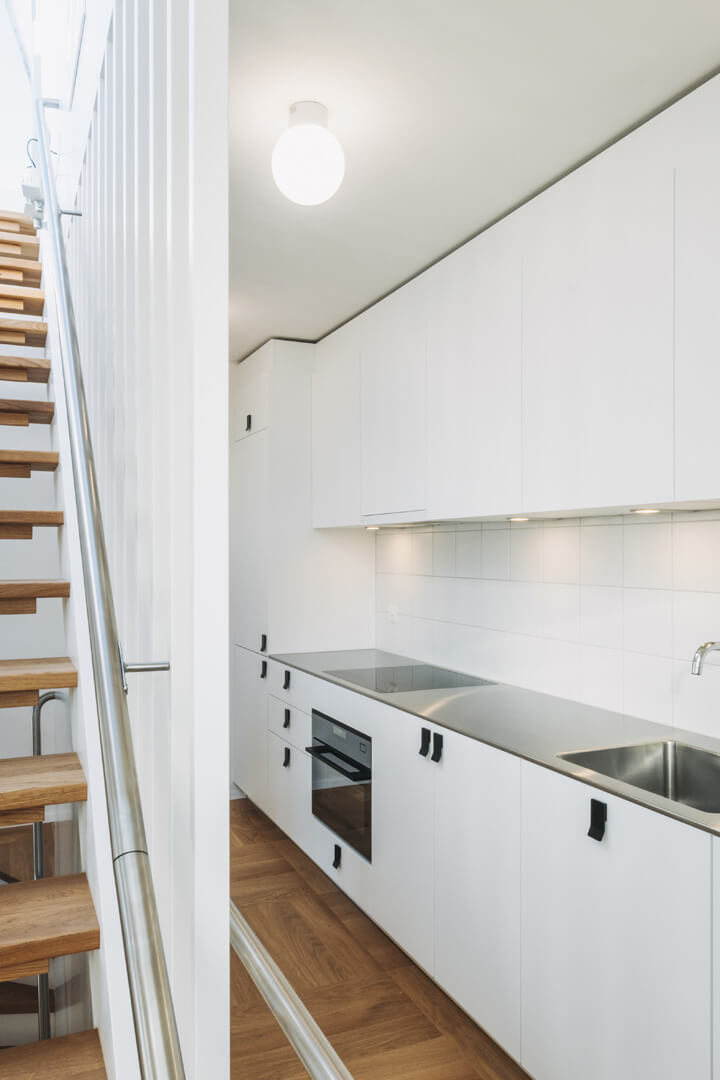
The apartments feature kitchens specified with a cohesive suite of Electrolux appliances, each chosen for their performance within a domestic setting.
“Tenants expect modern appliances even when choosing to live in a historic building,” explains Egloff, “Close collaboration with Electrolux and the kitchen installation team was of great support throughout. Electrolux is a trusted long-term partner – not just a supplier.”
The selected SteamBoost CombiSteam Deluxe oven brings the benefits of steam cooking to a compact 43-litre format, combining conventional heat with three selectable steam levels, and a wireless food sensor for consistently precise results. It is paired with the 500 Induction Hob, which responds instantly to temperature changes and keeps surfaces cool to the touch, outside the active cooking zones.
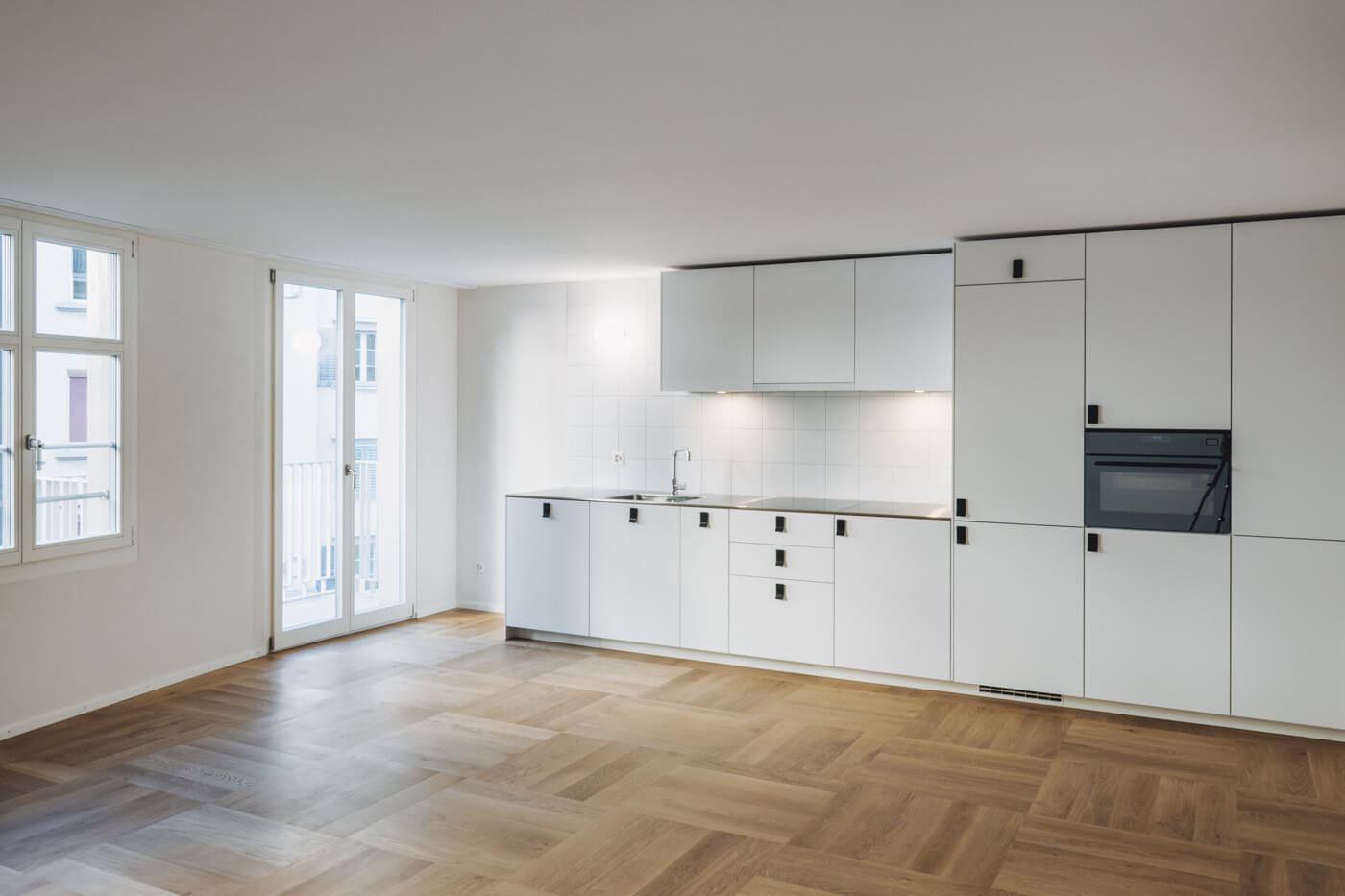
The 500 ColdSense fridge-freezer uses electronic sensors to quickly stabilise temperature after door opening, protecting food quality and reducing waste. While the 600 SatelliteClean dishwasher features AirDry technology – opening its door slightly automatically at the end of each cycle to finish drying with natural airflow – alongside an Ecometer display that guides users towards the most suitable programme.
Ventilation is completed by the pull-out cooker hood with integrated LED lighting across its full width.
Continuity and character
Zum Schönfels succeeds because every decision – architectural, structural and specification-led – has been guided by the same thinking: respect the context, meet the needs of the people who will live here, and find solutions that contribute to a better daily life.
The Electrolux appliances, from the laundry salon in the medieval vault, to the kitchens above, are part of that logic. In St. Gallen’s old town, a building that once served commerce and craft has found a new chapter, and the quieter rhythms of urban domestic life suit it well.