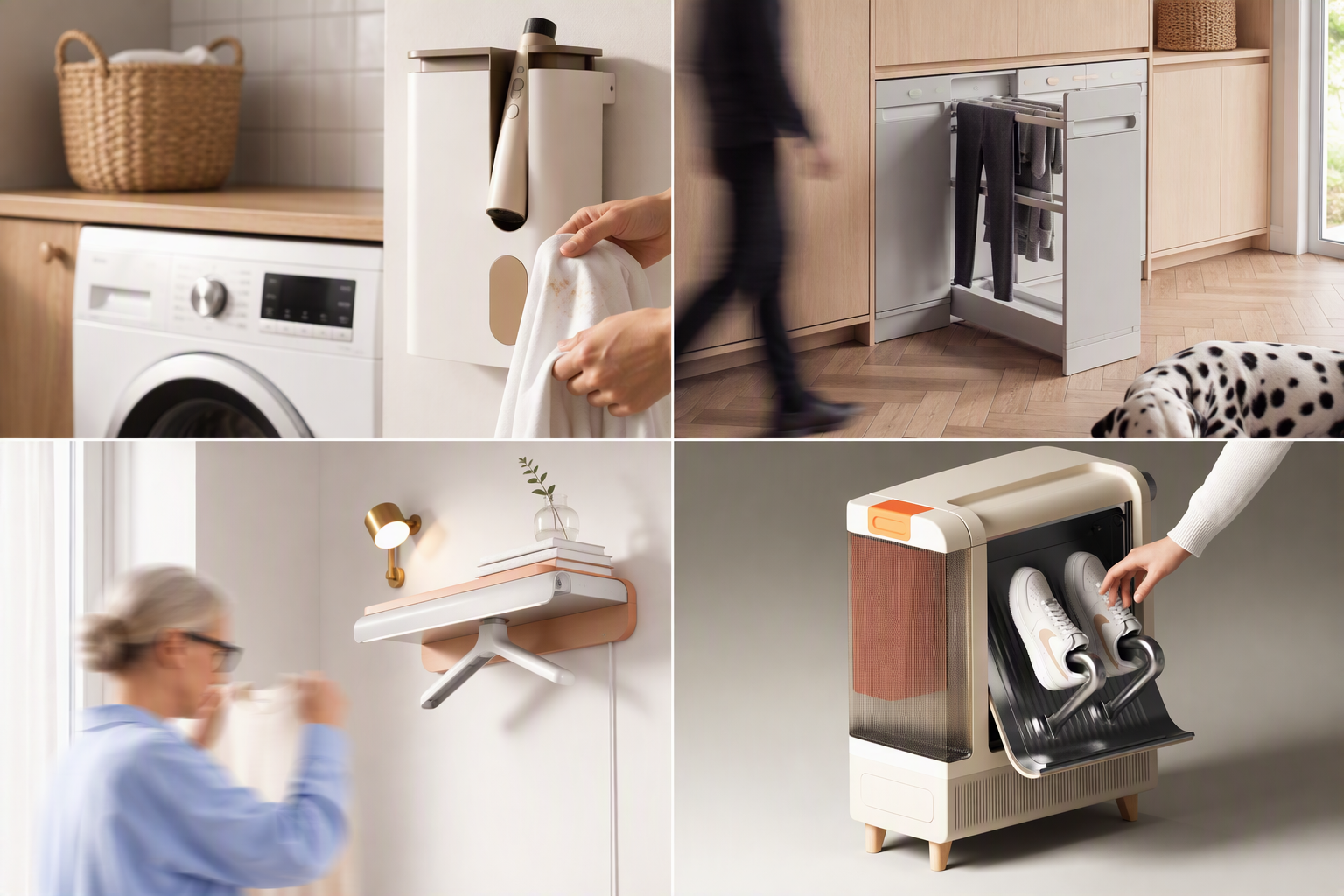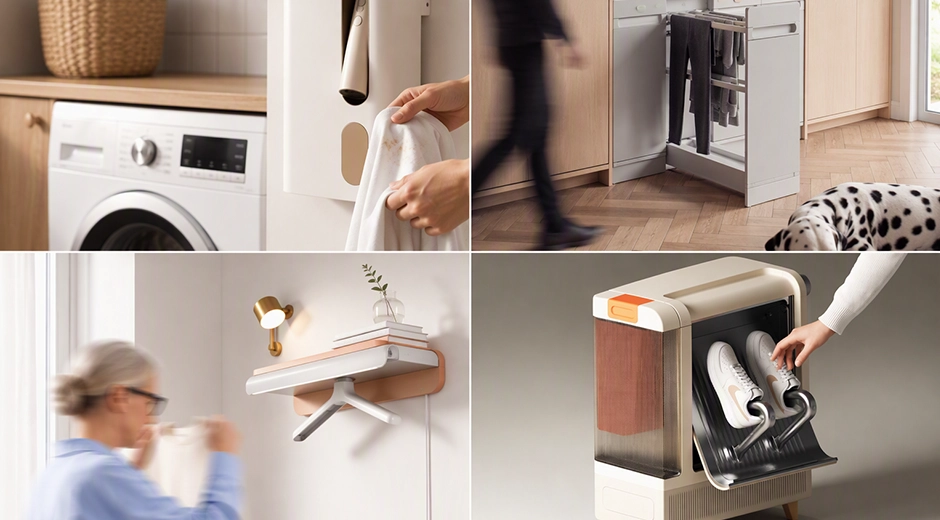
From a smart stain remover pen to a built-in steam closet, this year’s collaboration between Electrolux Group and the Umeå Institute of Design (UID) in Sweden brings together fresh perspectives and design expertise to explore new innovations for the future of fabric care.
As part of a four-week design sprint, Advanced Product Design students worked to develop four concepts that respond to real-life fabric care needs and challenges. Combining their own experience of doing laundry at home with creative thinking, the students delivered a range of ideas, from unconventional innovations to product concepts that could be closer to reality within just a few years.
The students presented their final concepts to the jury earlier this month.
“As always, we were very impressed by the quality of the students’ work in such a short time. This year, we were especially pleased to see concepts ranging from innovative and unconventional ideas to product ideas that are close to our current business. All the projects showed how collaborations like this can generate very valuable, feasible ideas for the near future.”
– Martin Alexanderson, Senior Design Lead, and Timo Mashiyi-Veikkola, Director of Design Research.
The innovative concepts are:
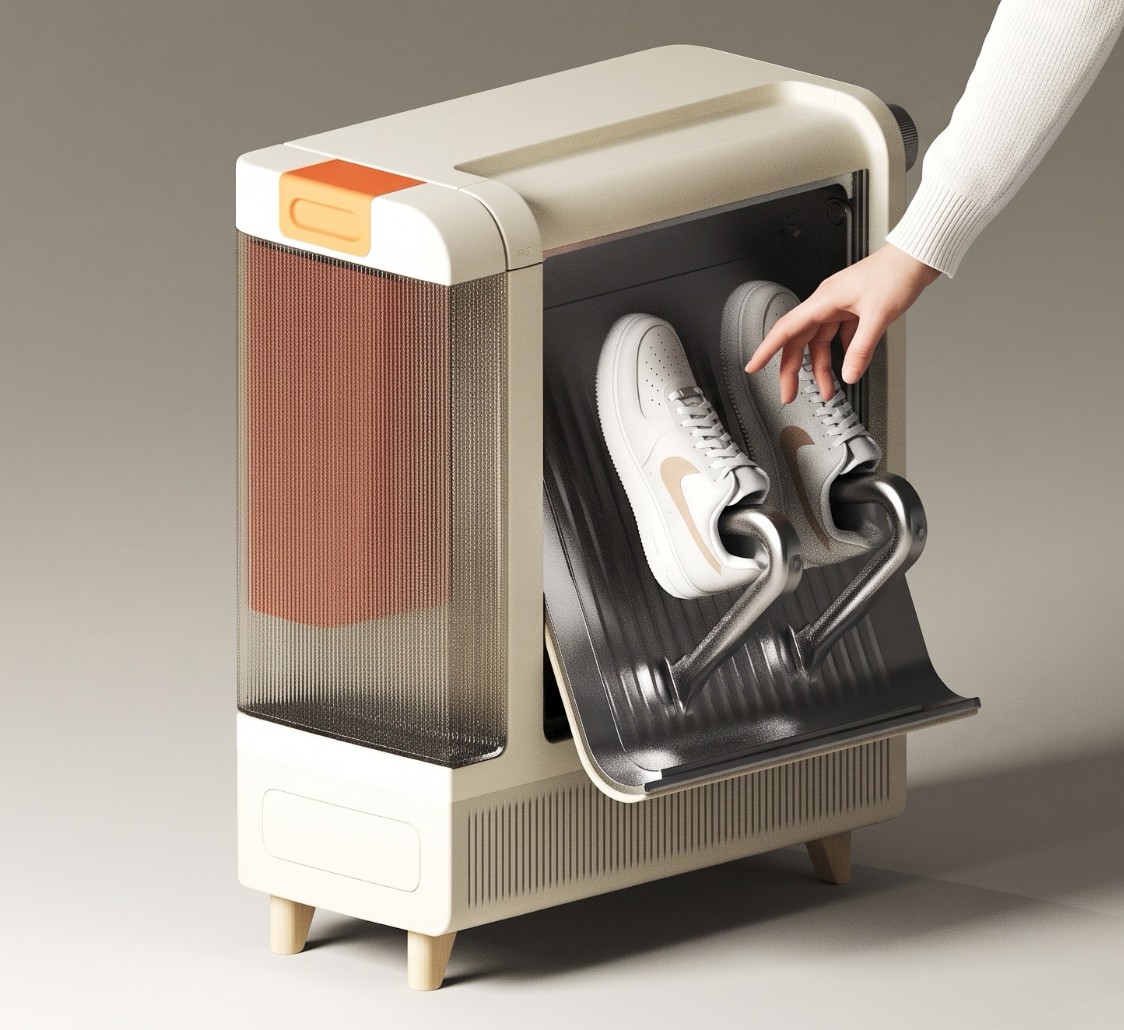
Pivot: A shoe cleaning device for sneakers
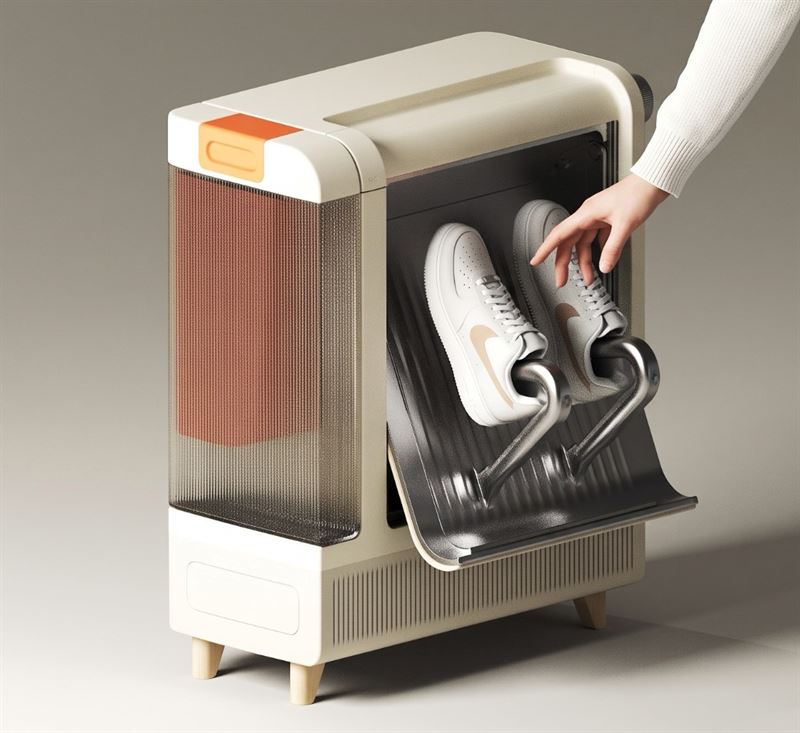
The Pivot is a compact shoe-cleaning device designed around the lifestyle of Generation Z. It offers two contact-free programs: deep cleaning which gives a thorough cleaning cycle removing dirt, stains and odors while preserving the shoe’s materials; and a refreshing program that neutralizes unwanted odors from both the inside and outside, leaving them feeling fresh and dry.
Student design team: Elisa Schneider (Germany), Ruben Berenguer (Spain), Tejas Lokhande (India/US) and Ida Thorsson (Sweden).
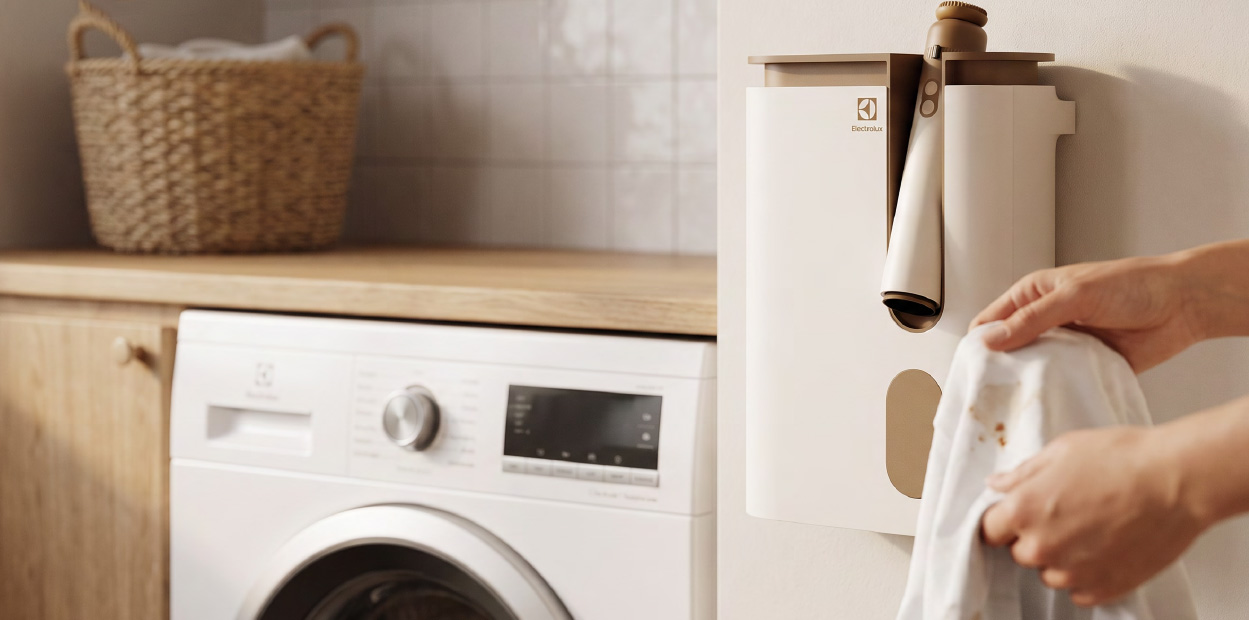
ÅNG[R]A: A wireless, precision-focused stain treatment device
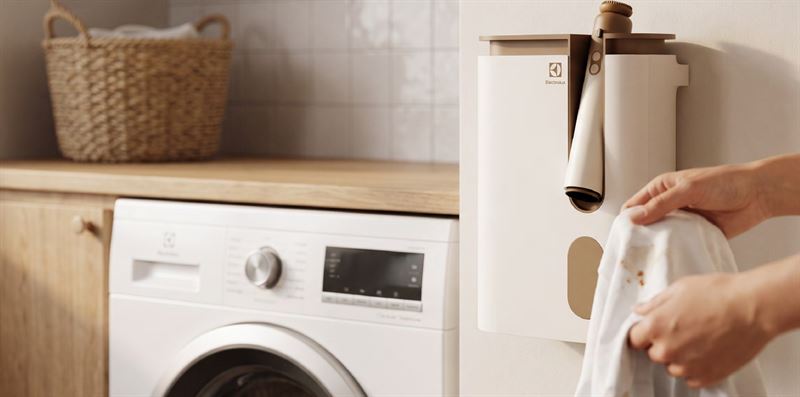
ÅNG[R]A combines four detergents with hot or cold water and steam, adapting the treatment to the selected type of stain. The user simply takes the device from its station, selects the stain, and follows the guided instructions. Detergent selection and dosage are handled automatically, minimizing user effort. Designed for quick, local treatment, the product helps reduce unnecessary washing while remaining easily accessible, charged and refilled through its station and replaceable detergent cartridges.
This project explores effortless fabric care for families, focusing on reducing the effort and uncertainty of treating everyday stains.
Student design team: Eric Boklund (Sweden), Max Cooper (Bulgaria), Liu Jincheng (China) and Reeshav Kundu (India).
Freshh: A shelf and garment refresher in one concept
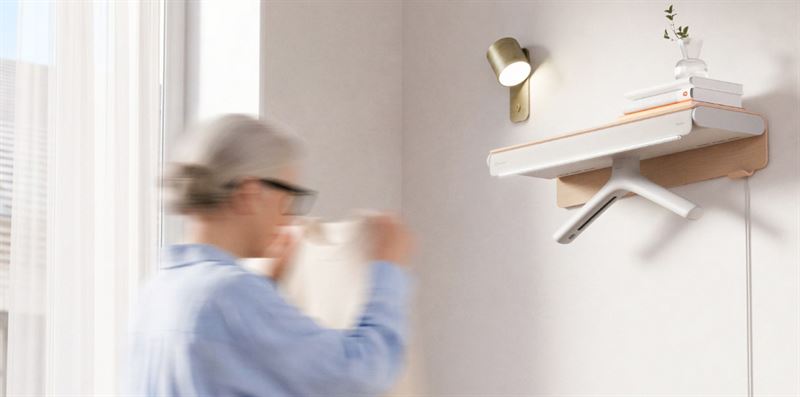
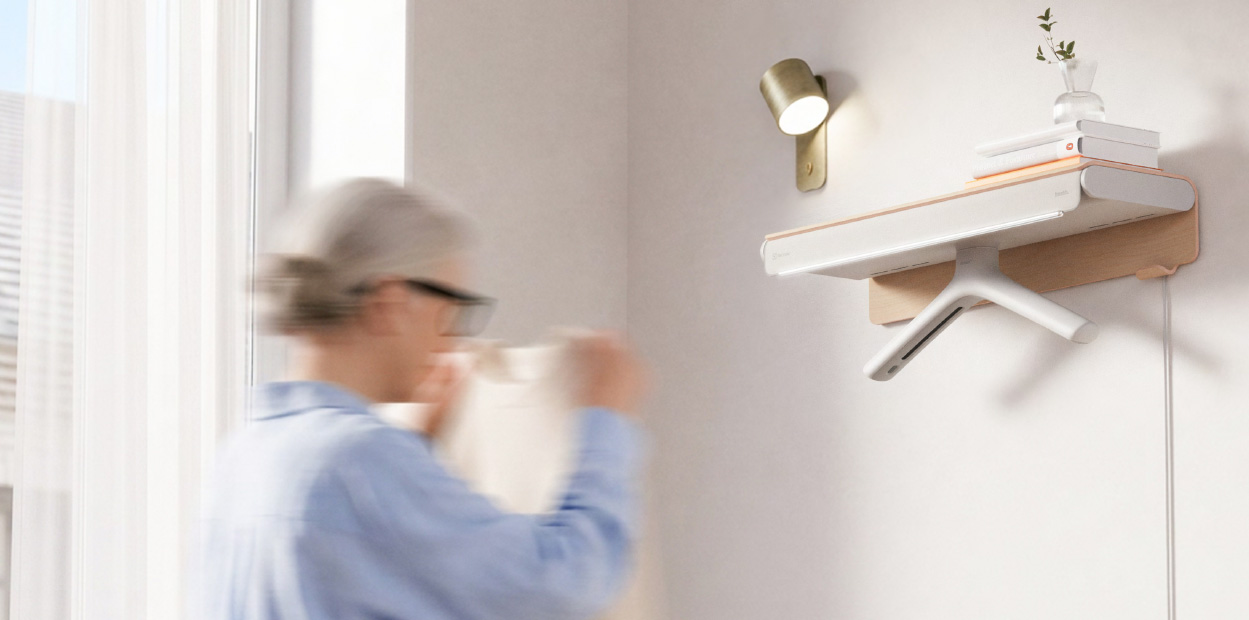
Freshh senses whether a worn garment is still fresh and refreshes it. Simply hang it up: warm air flows through the hanger and into the fabric. Swappable scent pods release plant-based anti-microbials that neutralize odor-causing bacteria and leave a light, natural scent. Then, you can wear the garment again, prolonging its life in between washes. Freshh was designed as a shelf and a refresher in one concept, so it can be personalized with plants, lamps and books, and blend quietly into the home.
The target audience for this team is the Golden Agers (over 70 years old) group that still lives alone.
Student design team: Bugra Uyar (Turkey), Moa Linder (Sweden) and Paul Feller (Germany).
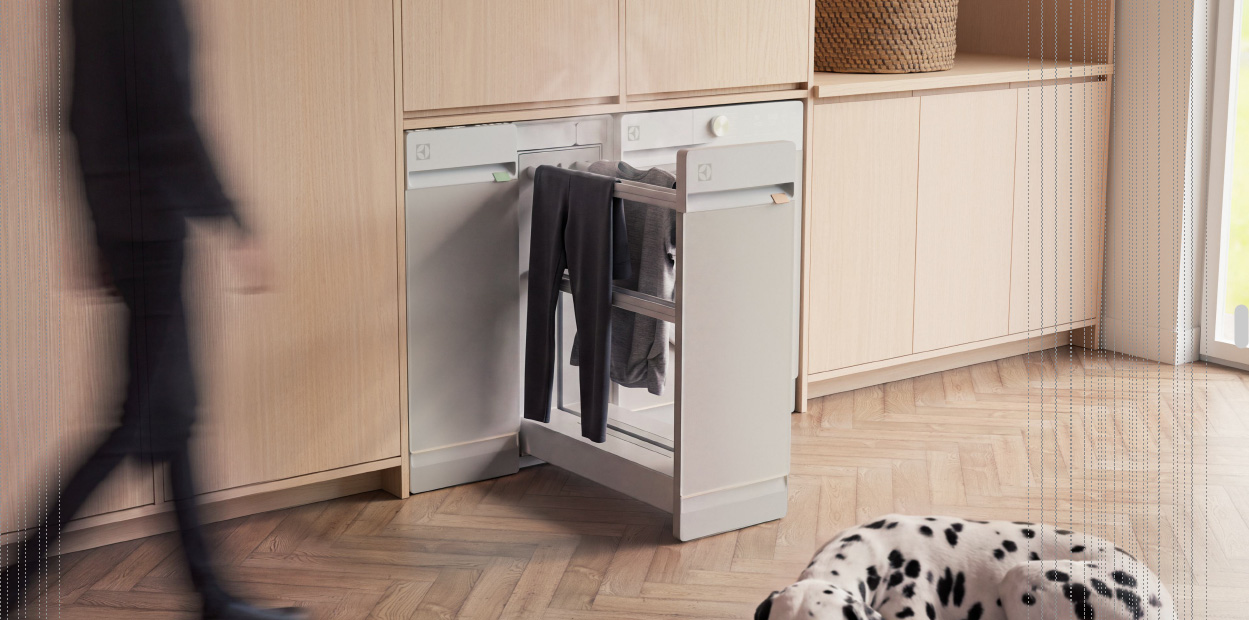
ENCORE: A built-in refresh closet for clothes
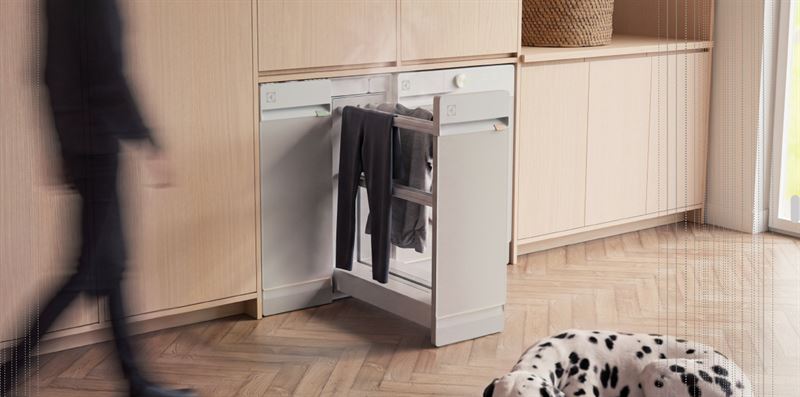
With a more compact and modular form factor than traditional drying cabinets, Encore integrates seamlessly into the laundry ecosystem. By refreshing garments through drying, steaming and filtered ventilation, washing frequency is decreased, thereby lengthening the life of your clothes.
The target audience for Encore is “DINK WADS”, consumers with double income, no kids and with a dog. This is a fast-growing target group in Europe.
Student design team: Alice Carlsson (Sweden), Marin Bordes (France), Shija Huang (China) and Lukas Mank (Germany).
“Throughout the nine years we have co-created these design sprints, we have explored both the playful and the serious sides of a given design challenge. Playful in the sense that the exploration is student-driven and everything is possible (almost), and serious in the sense that the Electrolux Group team bring their experience and industry knowledge into the process. My students and I find this combination inspiring, motivating and extremely rewarding,” adds Thomas Degn, Associate Professor and Director of MFA Advanced Product Design Program at UID.
Electrolux Group’s collaboration with Umeå Institute of Design
Umeå Institute of Design (UID), part of Umeå University in northern Sweden, is ranked as one of the top industrial design educations in the world. For nine years Electrolux Group has collaborated with UID in a series of design sprints. The collaboration’s previous themes included designs for: making the future home more mindful, warm and resilient (2025), assisting people with disabilities (2024), an artificial intelligence-assisted home robot as the primary user (2023), single people living in small spaces (2022), and multi-generational homes (2021).